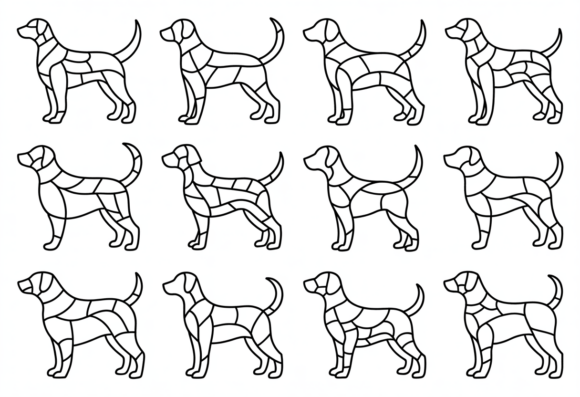
Dog Anatomy Cut Diagram SVG
As a designer and embroidery product reviewer, I often find myself evaluating digital files for their practicality, visual appeal, and real-world usability. The Dog Anatomy Cut Diagram SVG caught my attention not just for its unique subject matter, but for how it could translate into tangible, creative projects. This design is more than just a cut file—it’s a versatile tool that can elevate a range of handmade and commercial products.
First Impressions: A Design That Speaks to Crafters and Educators
The Dog Anatomy Cut Diagram SVG immediately gives off a clean, educational vibe. The layout is well-structured, with clear lines and defined sections that make it easy to identify different anatomical parts. It feels like a design meant for both learning and artistic expression. The level of detail is impressive—each element is distinct enough to stand out in an embroidery project without becoming overwhelming.
This design would naturally fit into custom apparel, baby items, or even educational materials. Its clarity makes it ideal for use as an applique design or a detailed satin stitch piece. The theme is straightforward, which is great for a wide range of applications—from personalized gifts to craft business merchandise.
Real-Life Embroidery Scenarios: Where It Shines
Imagine creating a custom embroidered tote bag for a pet lover. The Dog Anatomy Cut Diagram SVG could be the centerpiece of the design, adding a unique and educational touch. When stitched on a cotton tote, the design would look professional and eye-catching, especially if paired with contrasting thread colors.
It also works well for sweatshirt embroidery, where the design can be placed on the back or sleeve. The clean lines and defined shapes make it suitable for both large and medium-sized hoop sizes. For smaller projects like embroidered patches or apron accents, the design maintains its integrity without looking cramped.
In baby items, such as onesies or burp cloths, the design could serve as a subtle yet meaningful motif. It’s also a strong candidate for holiday or wedding gifts, where the combination of artistry and functionality can add value to the finished product.
Where to Be Cautious: Limitations and Considerations
While the Dog Anatomy Cut Diagram SVG is versatile, there are some situations where it may require extra care. On small hoop sizes, the design might need to be split into sections to ensure proper stitching. Textured fabrics or thin materials could challenge the precision of the design, so testing on scrap fabric is essential before committing to a final project.
On dark fabrics, the design might not show up as clearly unless the thread color is carefully selected. Similarly, stretchy or curved surfaces like caps can affect how the design sits on the garment. For dense areas of the design, such as fill stitches or satin stitches, checking the stitch density is crucial to avoid puckering or distortion.
For projects that will see frequent washing, using the right stabilizer is key to maintaining the design’s shape and clarity over time. If the design includes tiny lettering or intricate details, those elements may need to be simplified or adjusted for better visibility and durability.
Impact on Visual Appeal and Customer Perception
The Dog Anatomy Cut Diagram SVG has the potential to significantly boost the visual appeal of any project it’s used on. Its clean lines and structured layout make it easy to recognize, which is important for customer engagement and brand consistency. When used on custom apparel or handmade products, it adds a professional touch that can differentiate a craft business from competitors.
For Etsy sellers or small shop owners, this design offers a unique selling point. Customers are often drawn to items that are both functional and visually interesting, and this design delivers on both fronts. It also enhances the giftability of a product, as it can be easily personalized and tailored to specific interests.
When used in printable mockups or digital product previews, the design maintains its quality and clarity, making it a valuable asset for marketing and branding efforts. It’s a design that can be adapted to various formats, from digital downloads to physical embroidery projects.
Practical Designer Notes: What to Test and Check
Before using the Dog Anatomy Cut Diagram SVG in a real project, I recommend testing it on scrap fabric. This allows you to assess how the design looks in different thread colors and fabric textures. Checking the stitch density is also important to ensure that the design doesn’t become too dense or too sparse.
Confirming the hoop size needed for the design is another critical step. If the design is too large for your machine’s hoop, it may need to be broken into sections. Inspecting small details, like corners or edges, ensures that nothing gets lost during the stitching process.
Testing the design in black and white mockups can help you visualize how it will appear on different fabric backgrounds. Comparing light and dark fabric options can also guide your choice of thread colors. Using the right stabilizer is essential, especially for delicate or stretchy fabrics.
If you plan to sell finished items or digital products featuring the Dog Anatomy Cut Diagram SVG, always confirm the licensing terms. Make sure the design is suitable for both personal and commercial use, and check whether any restrictions apply.
Conclusion: A Design Worth Exploring for Creative Projects
The Dog Anatomy Cut Diagram SVG is a well-crafted design that offers a range of possibilities for embroidery designers, small business owners, and crafters. Its clarity, structure, and adaptability make it a strong choice for a variety of projects, from custom apparel to personalized gifts.
While it has some limitations in certain scenarios, its overall performance and visual appeal make it a valuable addition to any digital design library. Whether you’re working on a craft business product, an Etsy listing, or a handmade gift, this design has the potential to enhance your work and engage your audience.