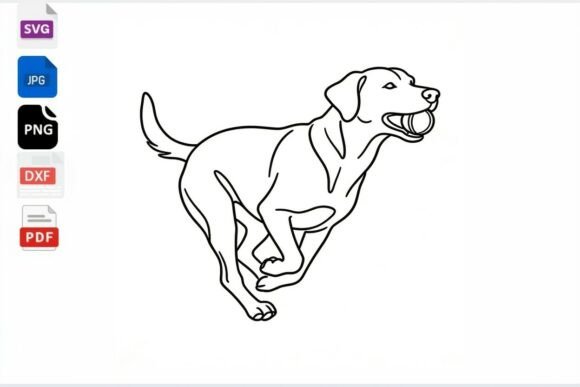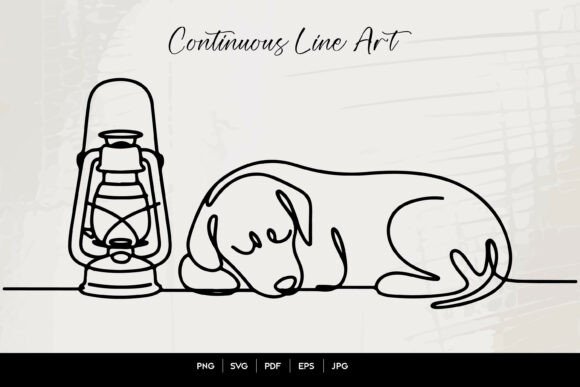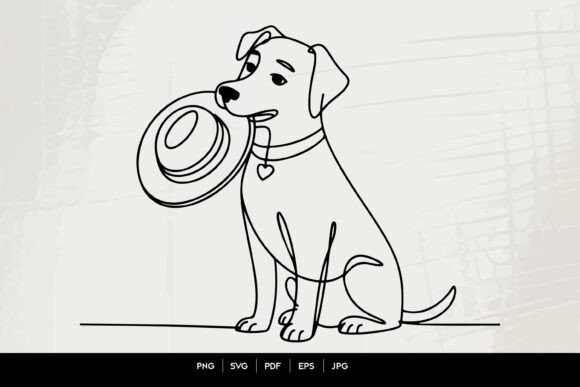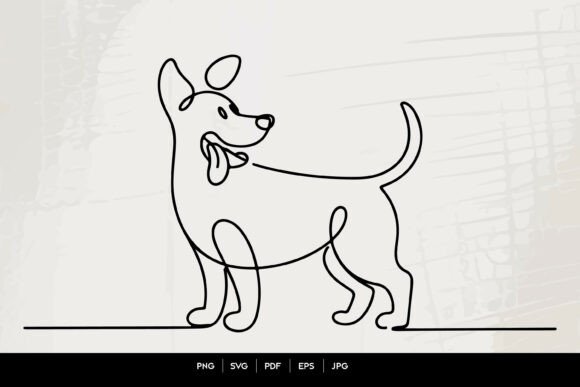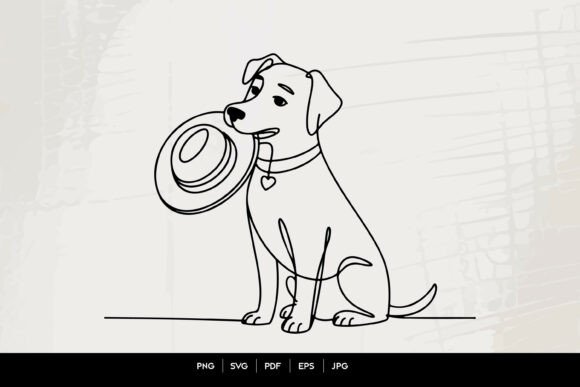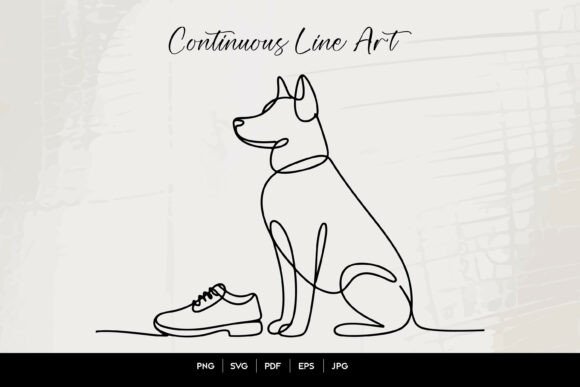
Dog Waiting with Shoe Line Art
As an embroidery designer and product reviewer, I’ve evaluated countless designs for real-world use. Dog Waiting with Shoe Line Art caught my attention not just for its visual charm but for how it translates to actual embroidery projects. The design is simple yet expressive, capturing a moment that feels familiar and endearing. It’s the kind of piece that could easily become a staple in a craft business or a personalized gift.
First Impressions: A Design That Speaks Volumes
The first thing that stands out about Dog Waiting with Shoe Line Art is its clean line work and minimalistic approach. The dog is depicted in a sitting position, waiting patiently with a shoe nearby. The layout is balanced, with clear focal points that make it easy to adapt to various embroidery formats. The theme is warm and relatable—perfect for pet lovers, families, or anyone looking for a friendly, nostalgic touch in their handmade products.
This design feels like it belongs on custom apparel, baby items, or small shop merchandise. Its simplicity makes it versatile, but it also has enough detail to stand out without being overwhelming. The line art style suggests it could be used as an applique design or paired with other elements for more complex projects.
Real-World Embroidery Performance
When considering Dog Waiting with Shoe Line Art for real-life embroidery, the first thing to note is how well it adapts to different fabric types and project sizes. On a tote bag or sweatshirt, it holds up well, especially when using a medium hoop size. The design doesn’t require excessive stitch density, which helps prevent puckering or distortion on delicate fabrics.
For baby clothes or nursery decor, the design is charming and safe. Its lack of sharp edges or intricate details means it won’t catch on little fingers or wear down quickly. It also works well as an embroidered patch, where the line work remains clear and defined.
On caps or hats, the design can be a bit tricky due to the curved surface. However, with proper hoop placement and stabilizer, it can still look great. The same applies to stretchy or textured fabrics—using a good stabilizer and adjusting the stitch density can make a big difference in the final result.
Where to Use With Caution
While Dog Waiting with Shoe Line Art is generally reliable, there are situations where it might not perform as expected. For example, on dark fabrics, the line work may not show up as clearly unless you adjust the thread color or add a background fill. Thin or stretchy fabrics can also cause issues if not properly stabilized.
If you’re planning to use this design on a small hoop, you’ll need to check the dimensions carefully. Some areas of the design may be too detailed for smaller hoops, leading to incomplete stitching or gaps. Similarly, on layered garments or curved surfaces, careful planning is essential to ensure the design looks consistent and professional.
Impact on Visual Appeal and Customer Perception
Dog Waiting with Shoe Line Art adds a personal and artistic touch to any project. When stitched correctly, it enhances the visual appeal of custom apparel, making it more desirable for buyers. It also contributes to the perceived value of handmade products, giving customers a sense of uniqueness and care in the finished item.
For Etsy sellers and small shop owners, this design can be a strong selling point. Its recognizable theme and clean style make it highly marketable, especially during holidays or for pet-themed gifts. It also supports brand consistency, helping to create a cohesive aesthetic across different product lines.
From a customer engagement standpoint, the design is both nostalgic and modern. It appeals to a wide audience, from pet owners to those who appreciate whimsical art. Its giftability factor is high, making it a solid choice for personalized presents or boutique offerings.
Practical Designer Notes
Before finalizing any project with Dog Waiting with Shoe Line Art, I recommend testing it on scrap fabric. This allows you to see how the design looks in real life and make adjustments if needed. Pay attention to thread color contrast, especially on darker backgrounds. You may want to experiment with different colors to find the best match for your target audience.
Reviewing the stitch density is also important. If the design feels too dense, it could cause fabric distortion or affect the overall look. Confirming the correct hoop size will help avoid issues with incomplete stitching or misalignment. Small details, like the dog’s eyes or the shoe, should be inspected closely to ensure they remain clear after stitching.
Testing the design in black and white mockups can help you visualize how it will look on different fabric colors. Comparing it on light and dark backgrounds can also reveal any visibility issues. Using the right stabilizer is crucial, especially on delicate or stretchy materials. Always double-check the licensing terms before using the design for commercial purposes or selling digital products.
Final Thoughts
Dog Waiting with Shoe Line Art is a solid choice for embroidery designers, crafters, and small business owners looking for a versatile and appealing design. Its clean lines, relatable theme, and adaptability make it suitable for a wide range of projects. While it requires some consideration for certain fabric types and project sizes, it offers great potential for both personal and commercial use.
Whether you're creating custom apparel, personalized gifts, or boutique merchandise, this design can elevate your work and resonate with your audience. As with any embroidery file, taking the time to test and refine your approach will ensure the best results and customer satisfaction.