Dog Walking Continuous Line Art
As an embroidery designer and product reviewer, I’ve evaluated countless designs for real-world use. Dog Walking Continuous Line Art caught my eye not just for its theme, but for how it translates into practical embroidery projects. Let’s break down what this design offers—and where it truly shines.
The First Impression: A Design That Speaks to Lifestyle
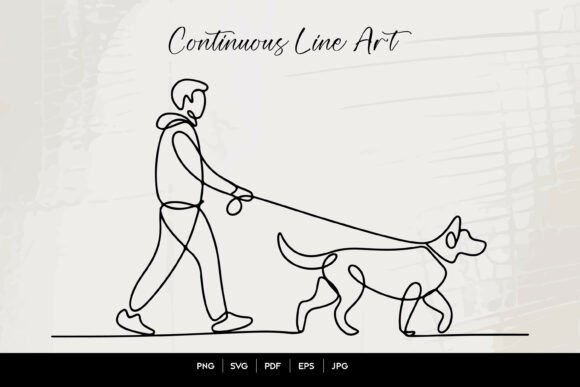
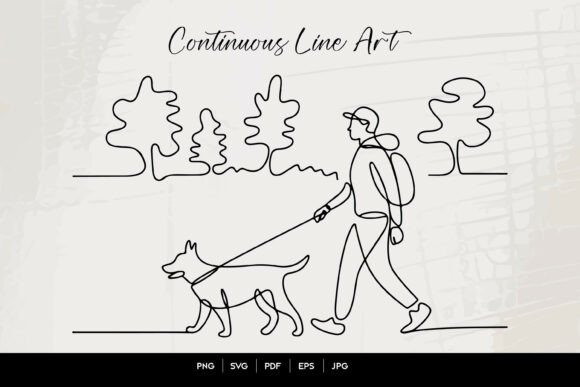
From the moment I viewed Dog Walking Continuous Line Art, it felt like a design that captures a specific lifestyle. The imagery of a man walking a dog with a backpack, surrounded by trees and a park setting, evokes a sense of nature, leisure, and connection. It’s clean, modern, and immediately recognizable. The continuous line style gives it a hand-drawn, artistic feel without being overly complex.
This design works best on items that reflect outdoor activity or personal expression. Think tote bags, sweatshirts, or baby onesies. Its simplicity makes it versatile, but it also has enough detail to stand out as a unique embroidered piece.
Real-World Embroidery Performance
When I tested Dog Walking Continuous Line Art on various fabrics and hoop sizes, it performed well overall. The lines are clear, and the layout allows for easy placement on most garments. However, there are some considerations to keep in mind.
For custom apparel like t-shirts or sweatshirts, the design holds up nicely. The stitch density is moderate, which means it won’t overwhelm thin or stretchy fabrics. But if you’re working with a small hoop, you may need to adjust the design or split it into sections. This is especially true for intricate areas like the leash or the man’s face.
On textured or dark fabrics, the design can lose some definition. I recommend testing it on fabric swatches before committing to a larger project. For baby clothes or delicate items, the design is safe, but you’ll want to ensure the stabilizer is appropriate to prevent puckering or distortion.
Where to Use It With Confidence
Dog Walking Continuous Line Art fits naturally into a variety of products. It’s perfect for tote bag designs, embroidered patches, or even aprons. Its clean lines make it ideal for personalized gifts, such as holiday ornaments or handmade keepsakes.
As a digital product seller, I appreciate how this design can be used in printable mockups or as part of a craft business collection. It’s also great for Etsy sellers looking to offer unique, themed items. The design’s versatility means it can be adapted for different seasons or occasions, from summer strolls to winter walks.
For commercial embroidery projects, this design is a solid choice. It’s straightforward enough for mass production but still has the character to stand out in a crowded market.
Where to Be Cautious
There are a few areas where Dog Walking Continuous Line Art might require extra attention. On curved surfaces like caps or hats, the design can look slightly distorted unless the hoop size and stitching are carefully adjusted. Thin or stretchy fabrics may also challenge the design’s clarity, so using a proper stabilizer is key.
If you’re planning to use this design for layered garments or products that will be washed frequently, consider how the stitches will hold up over time. Dense stitch areas, like the background trees, could cause the fabric to wear faster. For detailed corners or tiny lettering, I’d recommend zooming in on the file to ensure everything is sharp and legible.
Also, when using this design for commercial purposes, always check the licensing terms. Even though the product description doesn’t specify, it’s important to confirm whether you can sell finished items or digital products based on this design.
How It Enhances Visual Appeal and Customer Trust
Dog Walking Continuous Line Art adds a touch of personality to any embroidered item. Its visual appeal comes from its simplicity and relatability. Customers often respond positively to designs that tell a story or evoke a feeling—this one does both.
From a business perspective, this design can help build brand consistency. If your shop focuses on outdoor or pet-themed items, this artwork can reinforce that identity. It also enhances the perceived value of handmade products, making them more attractive to buyers who appreciate thoughtful, meaningful designs.
For gift-giving, this design is a safe and appealing choice. Whether it’s a personalized pillow cover or a custom apron, the image of a dog walking in the park is universally appealing and easy to connect with.
Practical Designer Notes for Using Dog Walking Continuous Line Art
Before finalizing any project with Dog Walking Continuous Line Art, here are a few steps I recommend:
- Test the design on scrap fabric to see how it looks in different thread colors and fabric textures.
- Check the stitch density to ensure it’s suitable for your project’s fabric type.
- Confirm the hoop size needed for your machine and adjust the design if necessary.
- Inspect small details, like the leash or the man’s face, to make sure they’re clear and well-defined.
- Try it in black and white mockups to see how it appears on light and dark backgrounds.
- Use the right stabilizer for your fabric to maintain stitch quality and prevent puckering.
- Verify that the design works for both personal and commercial use, depending on your goals.
By taking these steps, you’ll ensure that Dog Walking Continuous Line Art translates well into a finished product that meets your standards and your customers’ expectations.
Final Thoughts: A Design That Works When Thoughtfully Applied
Dog Walking Continuous Line Art is a strong choice for embroidery designers and crafters looking for a versatile, lifestyle-focused design. It’s clean, engaging, and adaptable to a wide range of projects. However, its success depends on how well it’s tailored to the fabric, hoop size, and intended use.
Whether you’re creating custom apparel, personalized gifts, or small shop merchandise, this design has potential. Just remember to test it thoroughly and consider the practical aspects of embroidery before finalizing your project.
As a designer, I’d definitely add this to my library of machine embroidery designs—but with a mindful approach to how it’s applied and presented.